
Table of Contents (8 sections)
In the realm of creative writing, the ability to unlock your creativity is nothing short of essential. Writing mastery techniques not only help you express your thoughts but also enhance your ability to connect with readers on a deeper level. In this guide, we'll delve into actionable steps you can take to improve your writing prowess, share insights from experienced writers, and provide you with the tools to cultivate a more imaginative mindset.
1. Understand Your Creative Process
Every writer has a unique creative process. Understanding your own can significantly impact your writing mastery. Start by observing when your best ideas come to you. Are you a morning person bursting with energy, or do you find inspiration strikes at night? For instance, Stephen King often emphasizes the importance of routine in his writing process, stating that he spends several hours daily writing.
Consider keeping a journal to track your writing habits—note what times inspire you most, how your environment affects your creativity, and what prompts elicit the best responses. By identifying your creative triggers, you'll craft a personalized strategy that works for you. Research shows that detailed self-reflection can lead writers to discover patterns in their creativity that they previously overlooked, paving the way for more productive writing sessions.
2. Set Clear Goals
Setting clear, achievable goals is a key step towards writing mastery. Begin with defining what you want to accomplish—are you looking to finish a novel, improve your blog writing, or enhance your poetic skills? Once you have your goals laid out, break them down into smaller, manageable tasks. For example, if your goal is to write a novel in six months, divide that into weekly word count targets.
Consider implementing the SMART criteria—Specific, Measurable, Achievable, Relevant, Time-bound. This framework ensures your goals are well-defined and reachable. According to a study by Dominican University, individuals who write down their goals are 42% more likely to achieve them. This guide emphasizes that tracking your progress can serve as a motivator and help you maintain focus on your writing objectives.
3. Embrace Writing Prompts
Writing prompts are an excellent way to spark creativity and push you out of your comfort zone. Try using different types of prompts that challenge your usual narrative style. For example, you might explore character-driven prompts or focus on setting description. There are numerous sources online where you can find daily writing prompts tailored to various genres.
Consider participating in writing communities that offer prompt challenges—Reddit's r/WritingPrompts is a popular subreddit where users can engage with unique and imaginative ideas. The community aspect not only encourages creative exploration but also provides accountability, which can be extremely beneficial for writers struggling to stay motivated. Engage in this vibrant dialogue and witness how new perspectives can refine your craft.
4. Create a Dedicated Writing Space
Your environment plays a crucial role in your creative process. Establishing a designated writing space can foster concentration and inspire creativity. Whether it’s a cozy nook in your home or a spot in a bustling café, the key is to make it uniquely yours. Personalization can help you feel more connected to the space, enhancing your productivity.
Keep this area organized and free of distractions. Equip it with the tools you need—be it notebooks, pens, or digital devices. Consider also the importance of aesthetics; the right lighting, comfortable seating, and inspiring decor can significantly affect your mood and creativity. In a recent survey conducted by Creative Boom, 75% of respondents claimed that their workspace greatly influenced their writing productivity.
5. Practice Regularly and Seek Feedback
Nothing beats the value of regular practice when honing your writing mastery. Dedicate time each day (or several times a week) to write, regardless of genre or topic. This habit will not only improve your writing skills but also help you discover your unique voice as an author.
But remember, the path to writing mastery is also about feedback. Join writing workshops, online courses, or local writing groups where critiques are part of the process. The Writer's Workshop is a renowned platform that allows you to receive constructive criticism. According to The Writing Cooperative, receiving feedback can accelerate a writer's growth by exposing them to new ideas and perspectives.
6. Read Widely and Analyze
To write proficiently, one must read extensively. Not only does reading inspire creativity, but it also provides insight into various writing styles, structures, and techniques. Spend time analyzing works from various authors across different genres and time periods. Pay attention to how they develop characters, build tension, or evoke emotion through language.
Engaging with critical analysis will enrich your understanding of narrative craft. Incorporate reading into your routine and consider maintaining a reading journal to jot down insights and reflections. Research shows that writers who read significantly increase their range of vocabulary and storytelling techniques, contributing to improved writing quality.
📺 Resources Video
> 📺 To go further: Explore writing mastery techniques with expert voices. Search on YouTube for
Recommended products
Selected by our experts




Kit de pinceaux Real Techniques Artist Essentials
DocMorris FR (ex DoctiPharma FR)
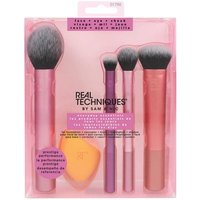
Real Techniques Makeup Must Haves Makeup Brush Kit
DocMorris FR (ex DoctiPharma FR)