Table of Contents (14 sections)
In the realm of writing, mastering effective techniques can truly separate accomplished writers from beginners. This article explores ten essential writing techniques that can enhance your writing skills and contribute significantly to your overall success in the field. Whether you are a novelist, a screenwriter, or a copywriter, these techniques will provide you with the tools you need to create compelling narratives and persuasive content.
1. Understand Your Audience
Knowing who your audience is paramount in crafting content that resonates. Writers should take the time to identify their target demographic—what do they enjoy reading? What questions do they have? By understanding your audience's preferences and pain points, you can tailor your writing to address these specifics, making your content more engaging and relatable. This technique not only increases reader interest but also encourages loyalty, as readers are more likely to return to authors who speak directly to their interests and needs. For example, copywriters may aim at consumers with catchy and straightforward language, while novelists can focus on emotional journeys, building a deeper connection. Writing effectively for your audience lays the foundation for successful engagement and influence.
2. Create a Strong Outline
A well-structured outline serves as the backbone of any effective writing project. It helps organize thoughts, main ideas, and supporting details systematically. Creating an outline before diving into writing can save time and help ensure you stay on topic. Consider breaking down your pieces into sections—introduction, main points, and conclusion. This approach not only provides clarity but also improves the flow of your writing. According to experts, writers who outline their work are less likely to face writer's block, allowing for a smoother writing process overall. Implementing this technique can make your writing more coherent and focused.
3. Harness the Power of Storytelling
Storytelling is an ancient art that captivates audiences across cultures and time. Infusing your writing with storytelling techniques can greatly enhance your narrative's emotional impact. Engaging characters, conflict, and resolution are crucial elements that can draw readers in, making them feel invested in the outcome. Just like in films, where the audience becomes emotionally tied to the characters, written content can achieve the same effect. For instance, consider beginning chapters or blog posts with a relatable anecdote to hook readers, eliciting curiosity about how the narrative unfolds. This technique is useful across all genres, keeping readers engaged while delivering valuable information.
4. Use Active Voice
Active voice brings clarity and vigor to your writing. In an active voice construction, the subject performs the action rather than receiving it. This technique improves readability and makes your writing more dynamic. For example, instead of saying, “The ball was thrown by John,” you would say, “John threw the ball.” By employing active voice, you create a stronger connection with readers, allowing your message to come across much more clearly. According to studies, content written in active voice makes it easier for readers to understand and retain information, leading to a more engaging reading experience.
5. Embrace Revision
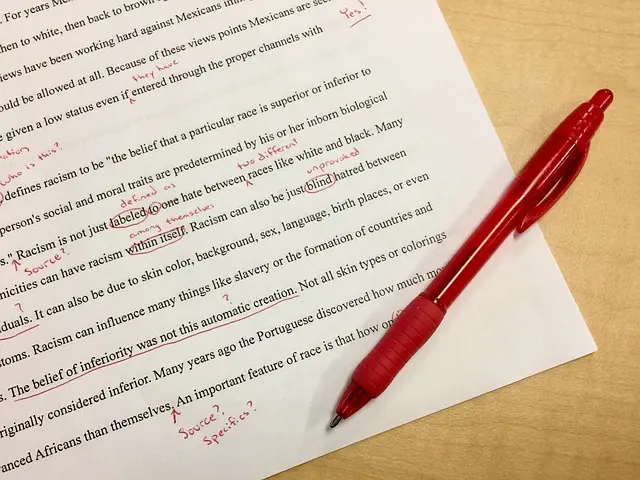
The first draft is just the beginning. Embracing revision ensures your final piece reflects your best work. Take the time to review and revise drafts, looking for ways to improve clarity and flow. Feedback is indispensable—consider sharing your work with trusted peers who can provide constructive criticism. As noted by writing experts, the ability to edit thoughtfully can significantly enhance a writer’s overall expertise. Don't be afraid to cut unnecessary words or phrases that detract from your message. This technique not only polishes your writing but also helps you develop a critical eye for your own work over time.
6. Incorporate Varied Sentence Structures
Varying your sentence structures can add depth and interest to your writing. Readers often disengage if presented with monotonous sentence patterns. For instance, mix short, impactful sentences with longer, descriptive ones to create a rhythm in your writing, keeping readers engaged. This technique also serves to highlight key points or emotions within your piece. According to literary studies, writers who effectively use a mixture of sentence lengths and structures can not only improve the readability of their content but also cater to a wider audience with differing reading preferences.
7. Leverage Feedback and Critique
Feedback plays a pivotal role in enhancing your writing abilities. Whether from writing groups, editors, or trusted peers, constructive criticism provides invaluable insights into how others perceive your work. It helps identify strengths and weaknesses that you may overlook. Cultivating a feedback mindset encourages growth as a writer, allowing you to refine your craft continually. Additionally, participating in peer review sessions can foster community and further inspire creativity in your writing journey. Utilizing this technique strengthens your content by making it more appealing and aligned with audience expectations.
8. Research and Fact-Check
In the age of information, accuracy is critical. Whether you're writing fiction that involves a real historical event or non-fiction that presents data, thorough research and fact-checking enhance your credibility. For instance, statistics can provide powerful evidence in persuasive writing, while well-researched facts can lend authenticity to narratives. Make it a habit to verify your sources and ensure that your claims remain substantiated. Reliable writing grounded in accurate information not only establishes trust with your readers but also positions you as an authoritative voice in your field.
9. Practice Regularly
Writing is a skill that improves with consistent practice. Establishing a writing routine can enhance your fluency and creativity. Set aside dedicated time each day or week to write—whether journaling, creating blog posts, or drafting stories. The regularity of practice contributes to muscle memory and facilitates idea generation. Experts suggest engaging in different forms of writing, such as poetry or screenwriting, which can inspire new perspectives and enhance overall versatility as a writer. By committing to regular practice, you lay the groundwork for long-term success.
10. Set Clear Goals
Finally, setting specific writing goals helps track your progress and maintain motivation. Whether it’s completing a chapter each week or submitting articles to various publications, concrete goals provide direction in your writing journey. Consider using the SMART framework—making your goals Specific, Measurable, Achievable, Relevant, and Time-bound—to further refine your objectives. This technique not only maintains focus but also facilitates assessment of your achievements over time, ensuring your writing remains aligned with your long-term aspirations.
Checklist for Writing Techniques
- [ ] Understand your audience
- [ ] Create a strong outline
- [ ] Harness the power of storytelling
- [ ] Use active voice
- [ ] Embrace revision
- [ ] Incorporate varied sentence structures
- [ ] Leverage feedback and critique
- [ ] Research and fact-check
- [ ] Practice regularly
- [ ] Set clear goals
Glossary
| Term | Definition |
|---|---|
| Active Voice | A sentence structure where the subject performs the action rather than receives it. |
| Outline | A structured plan or framework that organizes main ideas and details within a piece of writing. |
| Revision | The process of reviewing and editing written content to improve clarity, flow, and effectiveness. |
> 📺 For further exploration: Discover essential writing techniques through insightful videos on YouTube. Search for keywords like 'effective writing techniques 2026' to enhance your skills.
🧠 Quick Quiz: What is the primary benefit of using an outline?
- A) It makes writing more difficult.
- B) It clarifies the structure of your writing.
- C) It has no impact on writing quality.
Answer: B — A clear outline helps organize thoughts and maintain focus throughout the writing process.
Achieving mastery in writing is an ongoing process that requires dedication, thoughtful practice, and a willingness to learn from both successes and failures. By incorporating these techniques into your writing routine, you can steadily progress toward becoming a more adept and influential writer. Good luck on your journey to writing mastery!
📺 Pour aller plus loin : 2026 Descriptive Writing: Secrets of the New Mark Scheme! sur YouTube



Recommended products
Selected by our experts
How to Master Novel Writing Techniques
Alison US CA
This resource provides essential insights into mastering novel writing techniques, perfect for aspiring authors.
Screenwriting Techniques and Processes
Alison US CA
Explore screenwriting techniques that can help you craft compelling narratives for the screen.
Advanced Copywriting Skills and Techniques
Alison US CA
This course focuses on advanced copywriting skills that can elevate your marketing effectiveness.

Basic Concepts and Techniques for Copywriting
Alison US CA
Learn the basic concepts and techniques for copywriting to enhance your persuasive writing abilities.