
Table of Contents (20 sections)
Writing is an essential skill that transcends professions and personal interests. Whether you're a budding novelist, a business professional crafting compelling reports, or a student aiming for better academic writing, mastering writing techniques is crucial. This guide offers actionable steps to elevate your writing skills, emphasizing clarity, engagement, and authenticity. Let's explore how to develop these mastery techniques effectively.
1. Understand Your Audience
Why Audience Awareness Matters
The first step towards mastering writing is understanding your audience. Knowing who you’re writing for shapes the tone, style, and content of your piece. For instance, writing for a scholarly audience demands formal language and detailed explanations, whereas a blog aimed at casual readers allows for a more conversational tone.
Steps to Identify Your Audience
- Conduct Research: Utilize surveys or research techniques to gather insights about your audience's demographics, interests, and preferences.
- Create Personas: Develop audience personas to visualize your target readers. Include details like age, profession, and reading habits.
- Engage with Readers: Consider their feedback from comments, reviews, or direct messages. This can provide valuable information about their preferences and expectations.
By focusing on your audience, you tailor your writing to meet their needs, ultimately enhancing engagement and comprehension. For instance, adjusting complex technical jargon for laypersons can make your writing accessible and enjoyable.
2. Master the Art of Structure
The Importance of Structural Cohesion
Every piece of writing should possess a clear structure that guides the reader through your ideas coherently. A well-structured document improves readability and retention. A suggested structure for longer formats includes an introduction, body paragraphs, and a conclusion. Here's how to effectively achieve this:
Steps to Structure Your Writing
- Outline Your Ideas: Before writing, outline your main ideas and the order in which they will be presented. This helps in organizing thoughts logically.
- Use Paragraphs Effectively: Start each paragraph with a topic sentence that summarizes its main idea, then follow with supporting sentences. This minimizes confusion and clarifies connections between ideas.
- Include Transitions: Smooth transitions between paragraphs guide readers through your arguments or narratives. Phrases like “In addition” or “Conversely” can enhance flow.
By prioritizing structure, your writing not only becomes easier to digest but also more persuasive and impactful for your audience.


3. Refine Your Voice and Tone
Defining Your Writing Voice
Your unique voice sets you apart from other writers and adds authenticity to your work. It's essential to find a balance between being professional and being yourself. Developing your voice requires experimentation and reflection.
How to Cultivate Your Voice
- Read Widely: Exposure to various writing styles can inspire and shape your own voice. Pay attention to authors whose styles resonate with you.
- Practice Consistently: Regular writing is key to developing your voice. Analyze your previous work to identify recurring themes and tones.
- Get Feedback: Share your writing with trusted peers or mentors and ask for their impressions. This feedback can highlight areas where your voice shines and where improvements can be made.
A strong voice keeps readers engaged, while a consistent tone establishes trust and relatability.
4. Edit and Revise Like a Pro
The Vital Role of Revision
Many writers underestimate the importance of editing, yet it’s crucial for enhancing the quality of your work. Revising allows you to refine your arguments, clarify your ideas, and eliminate errors.
Effective Editing Techniques
- Take a Break: After completing a draft, step away for a few days. This distance enables you to view your work with fresh eyes.
- Read Aloud: Hearing your writing can highlight awkward phrases or unclear sections that might not be evident when reading silently.
- Utilize Tools: Leverage editing software for grammar and style checks. However, remember these tools should complement—not replace—your own judgment.
Editing transforms a rough draft into polished, publishable content.
5. Seek Continuous Improvement
Embrace Lifelong Learning
Writing mastery is an ongoing journey. The landscape of writing evolves, impacting techniques and expectations. Committing to ongoing education in writing helps you stay relevant and excel.
Ways to Continue Improving
- Attend Workshops: Participating in writing workshops or classes can provide new insights and techniques.
- Read Books on Writing: Enrich your knowledge with books by experienced authors. Resources like Stephen King's On Writing offer invaluable guidance.
- Join a Writing Group: Engage with a community of writers for support, resource sharing, and constructive criticism.
Continuous improvement fosters growth and confidence in your writing abilities.
Checklist for Writing Mastery
- [ ] Clearly define your audience.
- [ ] Structure your writing with an outline.
- [ ] Experiment and refine your voice.
- [ ] Edit as thoroughly as necessary.
- [ ] Pursue ongoing learning and feedback.
Vocabulary
| Term | Definition |
|---|---|
| Voice | The distinctive style or tone of a writing that reflects the author's personality. |
| Tone | The attitude or approach the writer takes toward the writing subject. |
| Editing | The process of reviewing and correcting a piece of writing to improve clarity and quality. |
📺 Video Resource
> Check out this informative video, Advanced Writing Techniques and Strategies, which offers insight into enhancing writing skills for various formats. Search for "writing mastery techniques 2026" on YouTube for more content.
Conclusion
Mastering writing techniques is integral to developing powerful content that resonates with readers. By understanding your audience, refining your voice, and committing to continuous improvement, you can significantly elevate your writing prowess. Remember, the journey toward writing mastery takes time, but each step brings you closer to becoming a more effective communicator.
As a resourceful reader, we have selected several products suitable for enhancing your writing experience. Explore our recommendations below for tools that can assist in your writing journey!
📺 Pour aller plus loin : writing mastery techniques 2026 sur YouTube
Recommended products
Selected by our experts
Gants zootechniques El.Cm85 50Pcs
DocMorris FR (ex DoctiPharma FR)
These technical gloves are ideal for writers who enjoy working outdoors or need a clean environment for writing notes or sketches.
Eponge d'application Real Techniques 1pc
DocMorris FR (ex DoctiPharma FR)
An application sponge can help writers create notes and sketches smoothly without the worry of smudging.
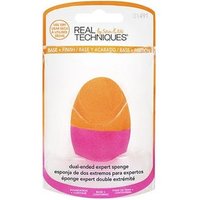
Real Techniques Double Finish Sponge 1pc
DocMorris FR (ex DoctiPharma FR)
This double-finish sponge is perfect for writers looking to add visual elements to their notes, allowing for precise application.