Table of Contents (9 sections)
Editing is an essential part of the writing process that often gets overlooked. Whether you’re a seasoned author or a novice blogger, effective editing can dramatically improve the clarity and impact of your writing. This guide aims to provide writers with reliable editing tips to refine their work, ultimately enhancing the overall quality of their writing.
1. Understanding the Importance of Editing
The editing process is crucial in transforming a rough draft into a polished piece that captivates readers. Editing provides an opportunity to refine ideas, improve structure, and enhance the overall quality of your writing. According to a survey by the Editorial Freelancers Association, nearly 70% of writers agree that they see a marked improvement in their work after thorough editing. This step not only improves clarity but also strengthens the voice and style, allowing your message to resonate with readers.
Moreover, editing can involve multiple layers—ranging from substantial revisions to fine-tuning syntax and grammar. It’s worth noting that editing is not merely about correcting mistakes; it involves re-evaluating how effectively you communicate your ideas. Therefore, recognizing editing as a critical part of writing can fundamentally change how you approach your drafts.
2. Employing a Step-by-Step Editing Method
To effectively edit your work, you can follow a structured approach:
- Take a Break: Before diving into editing, take a break after completing your draft. This allows you to revisit your work with fresh eyes.
- Read Aloud: Reading your writing out loud helps identify awkward phrasing and unclear sentences. It forces you to slow down and engage with the text.
- Focus on Structure: Examine the overall structure by ensuring that your ideas flow logically. Check for smooth transitions between paragraphs and sections.
- Look for Clarity: Simplify complicated sentences and eliminate jargon where possible. Assess whether your audience will easily understand your message.
- Check for Consistency: Review your writing for consistency in tone, style, and formatting. This particularly matters in longer pieces where differing styles can distract readers.
- Proofread for Errors: Finally, conduct a thorough proofread to catch grammatical errors, typos, and punctuation mistakes.
By following these steps, you can ensure a comprehensive edit that significantly enhances your writing.
3. Comparing Different Editing Approaches
When considering how to edit your work effectively, you may find various approaches available. Here’s a comparative analysis of two common methods:
| Editing Approach | Pros | Cons | Verdict |
|---|---|---|---|
| Self-Editing | Allows for full control and understanding of one’s style; Convenient | Potential for overlooked errors; May have bias in favor of own writing | Ideal for initial drafts and personal confidence |
| Professional Editing | Brings expertise and objectivity; Focuses on audience engagement | Can be costly; May require time | Best for final drafts and publications |
4. Leveraging Data for Effective Editing
Editing is not just about personal preference; it can also be guided by statistical insights. Research by Grammarly has shown that content over 1000 words with shorter paragraphs earns higher reader engagement. It suggests the significance of chunking text for better readability.
Moreover, a 2025 study by the Pew Research Center found that articles with a clear, narrative structure are shared 50% more often on social media than their counterparts. This data emphasizes the importance of editing for clarity and engagement as fundamental aspects of writing that affect its reach and impact.
5. Frequently Asked Questions (FAQ)
Q: How often should I edit my work?
A: It’s advisable to edit multiple drafts, beginning with structural and content edits, followed by fine-tuning language and grammar in subsequent revisions.
Q: Should I edit immediately after writing?
A: No, taking a break before editing allows you to approach your work with a fresh perspective, making it easier to spot errors and areas for improvement.
Q: What tools can aid in the editing process?
A: Grammar checkers and editing software can be highly beneficial, but remember that nothing replaces a human eye for context and nuance.
Q: How can I become a better self-editor?
A: Practice makes perfect. Regularly reading your work aloud and asking for feedback from peers can significantly enhance your editing skills.
Checklist for Effective Editing
- [ ] Take a break after drafting.
- [ ] Read your work aloud.
- [ ] Review the overall structure.
- [ ] Check for clarity and eliminate jargon.
- [ ] Proofread for grammar and punctuation errors.
Glossary
| Term | Definition |
|---|---|
| Editing | The process of reviewing and revising writing to improve clarity, flow, and correctness. |
| Self-Editing | Editing performed by the author, focusing on their own work without external help. |
| Professional Editor | A trained expert who provides feedback and revises writing for publication or academic use. |
> 📺 To go further: Editing Techniques for Writers, an in-depth analysis on effective writing practices. Look for it on YouTube: "editing strategies for writers".
By employing these strategies and techniques, you will enhance not only your editing skills but also the overall quality of your writing.
Recommended Products
- Tips from a Publisher: Perfect for writers looking for insights into the publishing journey.
- Avid Editing: Essential for improving your editing skills with well-structured techniques.
- Storycraft: Provides practical approaches to narrative writing, crucial for effective editing.
Improvement is an ongoing journey, and with practice, anyone can master the art of editing. Let these tips serve as your roadmap to a more polished piece of writing.
📺 Pour aller plus loin : editing strategies for writers sur YouTube
Recommended products
Selected by our experts

BenQ Creative Pro PV3200U IPS 4K UHD USB-C HDR P3 Rec.709 KVM 32" Video Editing Monitor
Back to the Office
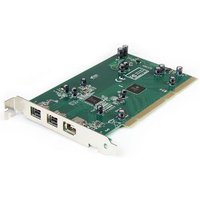
StarTech.com 3 Port 2b 1a PCI 1394b FireWire Adapter Card with DV Editing Kit
Quzo UK

Portable photography studio Backdrops Photo Editing Background Stand With 45w led bulb, soft umbrella,light stand Set
Alibaba UK

BenQ Creative Pro PV3200U IPS 4K UHD USB-C HDR P3 Rec.709 KVM 32" Video Editing Monitor
Back to the Office

Sennheiser MKH 418-S Shotgun Microphone- Video~~Video Editing Hardware & Production Equipment
parkcameras.com
Sennheiser MKH 418-S Shotgun Microphone- Video~~Video Editing Hardware & Production Equipment
parkcameras.com