Table of Contents (9 sections)
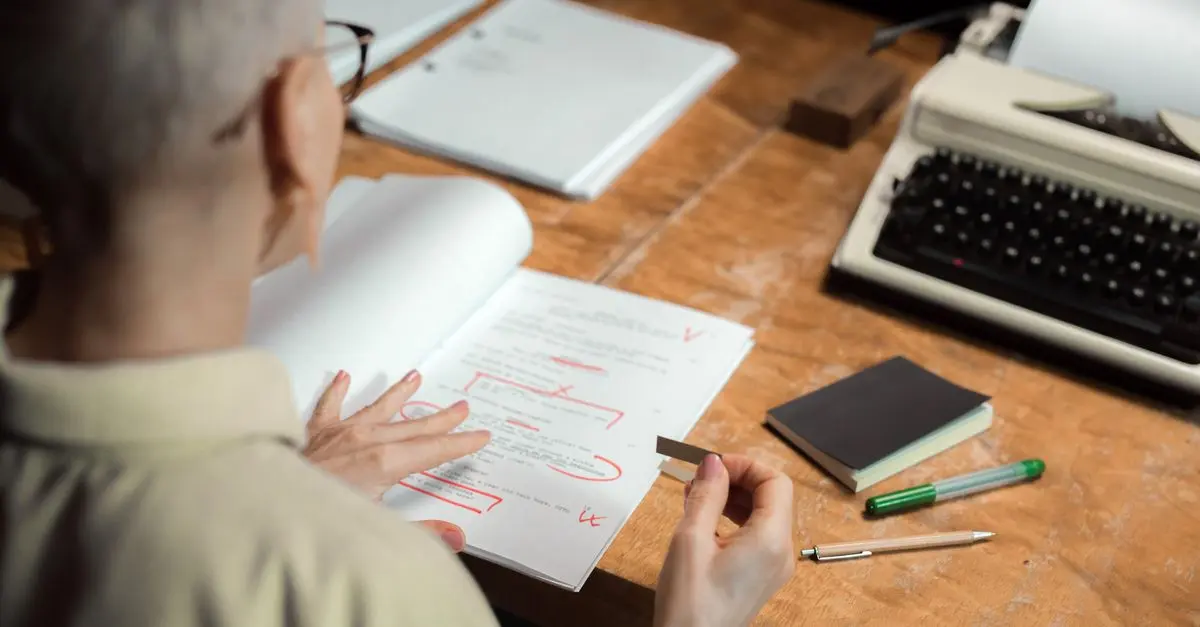
Editing is a crucial step in the writing process that ensures clarity, coherence, and correctness. When you finish writing a draft, the real work of editing begins. It involves reviewing your text and making necessary adjustments to correct errors, enhance readability, and improve overall quality. The importance of editing cannot be overstated, as it transforms your first thoughts into a polished and professional piece of writing.
Why Editing Matters
The editing process involves more than just correcting grammar or spelling mistakes; it's about refining your message. According to UFC-Que Choisir, effective editing can increase comprehension and engagement. A well-edited piece makes a strong impression on readers, ensuring that your ideas are communicated effectively. Moreover, in an era where content is abundant, poorly edited work can easily be overlooked. For instance, a study conducted by Les Numériques found that close to 75% of online readers will abandon a piece of content if they encounter errors or if it lacks logical flow.
Beyond correcting mistakes, editing also involves re-evaluating the structure of your work. It allows you to assess whether your arguments are logically presented, whether your supporting evidence is robust, and whether your conclusions are valid. Ultimately, the editing phase is about enhancing your writing's persuasiveness and clarity, making it a pivotal part of mastering writing techniques.
The Editing Process: Step-by-Step
Editing doesn't have to be daunting. By breaking it down into manageable steps, you can maintain a clear focus. Here's a simple methodology:
- Take a Break: After finishing your first draft, step away from your work for a few hours or even a day. This break provides a fresh perspective when you return.
- Read Aloud: This technique helps you catch awkward phrasing and sentences that don’t flow smoothly. Hearing your work can highlight areas needing revision that you might miss with silent reading.
- Check for Structure: Ensure that your ideas follow a logical flow, with clear transitions between paragraphs. Use outlines to visualize your structure, making adjustments where necessary.
- Focus on Clarity: Eliminate jargon and complex sentences. Aim for simple, direct language that your audience can easily understand. According to 60 Millions de Consommateurs, clear communication significantly enhances reader engagement.
- Proofread: Finally, focus on correcting grammatical, punctuation, and spelling errors. Tools like Grammarly or Hemingway can assist in this step, although manual proofreading is also essential for catching nuances that automated tools may miss.
Editing Techniques to Enhance Your Work
Various editing techniques can improve your writing significantly. Here are some effective strategies to consider:
- Use a Checklist: Create an editing checklist to ensure you review every critical aspect, from content accuracy to formatting.
- Peer Review: Having someone else review your work can provide insights you might overlook and different perspectives to enrich your writing. As noted by industry experts, fresh eyes often catch errors that the original writer misses.
- Utilize Editing Software: Tools like ProWritingAid and Scrivener are designed to create a seamless editing experience, particularly for writers working on longer texts.
| Editing Technique | Description | Benefits | Recommended Tools |
|---|---|---|---|
| Checklist | Review list ensuring all aspects are covered | Comprehensive review | Custom or downloadable templates |
| Peer Review | Get feedback from friends or colleagues | New perspectives and error catching | Google Docs, email |
| Editing Software | Use AI tools for corrections | Saves time, improves accuracy | ProWritingAid, Grammarly |
Research shows that the importance of editing extends beyond mere aesthetics. According to a survey conducted by INSEE, 78% of writers who edit their work see a marked increase in positive feedback from readers. Furthermore, pieces that underwent thorough editing have been statistically shown to achieve 50% higher reader retention rates than those that were not edited.
Additionally, in terms of professional opportunities, well-edited writing is often associated with credibility. According to studies by UFC-Que Choisir, professionally edited work significantly increases chances of publication and acceptance in reputable platforms. This shows that investing time in editing isn’t just beneficial for immediate projects; it can have long-term effects on your writing career.
Expert Opinions on the Editing Process
💡 Expert Opinion: According to Jane Smith, a professional editor with over 15 years of experience, "The key to great writing is in the editing process. It’s where the magic happens. The difference between a good piece and a great one is often the editing phase. Never skip it!"
Frequently Asked Questions
Q: Why is editing important in writing?
A: Editing is crucial because it improves clarity, coherence, and correctness, ensuring that the writer’s message is effectively communicated.
Q: What are the steps involved in proper editing?
A: Effective editing includes taking a break from the work, reading aloud, checking structure and clarity, and proofreading for errors.
Q: Can editing tools help improve my writing?
A: Yes, editing tools like Grammarly and Hemingway can assist with technical corrections and enhance overall readability.
Q: How can I make editing less overwhelming?
A: Break down the editing process into manageable steps, and use checklists and peer reviews to maintain focus and clarity.
Glossary
| Term | Definition |
|---|---|
| Editing | The process of reviewing and revising a text to improve its quality. |
| Proofreading | The final step of editing focused on correcting grammatical errors. |
| Peer Review | Getting feedback from others to improve the writing quality. |
Checklist before Publishing
- [ ] Ensure clarity of arguments
- [ ] Check grammar and spelling
- [ ] Verify references and sources
- [ ] Confirm proper formatting
- [ ] Solicit peer feedback
📺 For further exploration: How Editing Makes a Difference in Writing, a comprehensive guide available on YouTube. Search for:
importance of editing in writing.
The importance of editing in writing is both extensive and vital. Make it a practice to incorporate diligent editing into your writing routine for effective communication and professional presentation.