Table of Contents (12 sections)
Table of Contents
- Understanding Writing Feedback
- Preparing to Give Feedback
- Delivering Constructive Feedback
- Receiving Feedback Gracefully
- Tools and Techniques for Effective Feedback
- Checklist for Giving and Receiving Feedback
Understanding Writing Feedback
The ability to give and receive constructive writing feedback is a crucial skill for writers eager to evolve and improve. Feedback serves multiple purposes: it identifies areas for improvement, reinforces strengths, and enhances collaborative efforts among team members. Effective feedback encourages writers to refine their work, challenging them to think critically about their writing process.
What is writing feedback? It encompasses the suggestions, critiques, and praise regarding a piece of written work. Regardless of the context—be it creative writing, academic essays, or professional reports—the ultimate goal of feedback is to foster growth. According to research from 60 Millions de Consommateurs, nearly 70% of writers feel more motivated and confident when they receive detailed, constructive feedback. Therefore, understanding the nuances of providing effective feedback can significantly enrich the writing experience.
Preparing to Give Feedback
Before providing feedback, it’s essential to evaluate the piece you’re critiquing thoroughly. Here are key steps to take:
- Read with Intent: Focus on understanding the writer’s message. Note areas where ideas flow smoothly and where they stumble.
- Identify Objectives: Consider the goals of the piece. What does the writer aim to convey? Your feedback should align with these objectives.
- Focus on Structure: Pay attention to how the piece is organized. Are there clear sections? Does each paragraph serve its purpose?
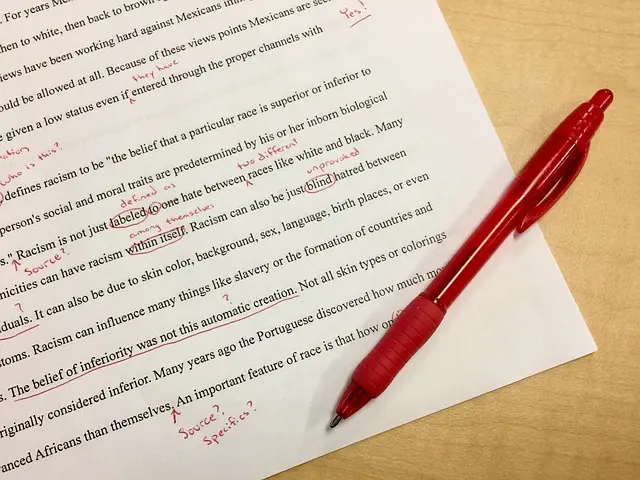
- Use Examples: Pinpoint specific excerpts that illustrate your points clearly. This makes it easier for the writer to understand your perspective.
- Take Notes: Jot down your thoughts while reading to ensure you don't forget key points, which will help structure your feedback efficiently.
Additionally, consider the emotional aspects of giving feedback. Approach the task with empathy, mindful of how writers may feel sensitive about their work. A positive mindset can encourage a more open and constructive dialogue.
Delivering Constructive Feedback
Providing feedback isn't merely about pointing out flaws; it should inspire and motivate the writer to improve. Implement the sandwich method: start with a positive remark, present constructive criticism, and conclude with another positive note. This format can soften the impact of critical feedback:
- Compliment: Start your feedback with something positive. For example, “I loved how you introduced the main themes.”
- Critique: Move on to constructive criticism, but keep the tone supportive. Instead of saying, “This section doesn't make sense,” you could say, “I think this section could benefit from more clarity. Perhaps exploring this point might help.”
- Encourage: Conclude by encouraging the writer. “I’m excited to see how you’ll expand on these ideas!”
Common Pitfalls to Avoid: Steer clear of vague language and overly harsh critiques, as these can demoralize rather than encourage. Be specific and actionable whenever possible. According to UFC-Que Choisir, precise feedback is known to yield better results, fostering a growth mindset among writers.
Receiving Feedback Gracefully
Receiving feedback can be challenging, yet it's an integral part of the writing journey. Here are strategies to absorb feedback effectively:
- Mindset Shift: Approach feedback with an open mind. Remind yourself that critiques are opportunities for growth rather than personal attacks.
- Listen Actively: When receiving feedback, listen without interruption. It can be helpful to take notes for clarity, allowing you to process the input after the discussion.
- Ask Questions: If something is unclear, seek clarification. Questions like “Could you elaborate on that point?” show you are invested in improving.
- Separate Emotion from Evaluation: While it’s natural to feel attached to your work, try to distinguish emotional responses from the practical feedback.
- Implement Changes Thoughtfully: Take the time to reflect on the feedback before making drastic changes. Prioritize which pieces of advice resonate with you and align with your vision.
Tools and Techniques for Effective Feedback
In the digital age of 2026, numerous tools can facilitate the feedback process:
- Document Sharing Platforms: Utilize collaborative tools where feedback can be given inline, making it clear and contextual.
- Feedback Management Software: Platforms that track comments and revisions help organize feedback effectively, ensuring nothing is overlooked.
- Writing Groups: Engaging with fellow writers for peer reviews creates a support network, broadening perspectives.
- Workspaces for Creative Collaboration: Consider investing in an appropriate workspace—like a versatile desk or an innovative writing desk that encourages collective brainstorming and discussions.
Checklist for Giving and Receiving Feedback
- [ ] Have I read the piece thoroughly?
- [ ] Did I identify the writer's objectives?
- [ ] Am I using specific examples in my feedback?
- [ ] Did I use the sandwich method for delivering feedback?
- [ ] Am I prepared to receive and implement suggestions from others?
Conclusion
Mastering the art of writing feedback is not just about offering criticism; it’s a pathway to growth, both for you and the writers you engage with. By embracing a structured approach that emphasizes understanding, clarity, and constructive insights, you will enhance your skills and foster deeper collaborative relationships in the world of writing. Remember, each piece of feedback is a stepping stone towards improvement, paving the way for exceptional writing.
💡 Avis d'expert: D'après notre expérience, les sessions de feedback régulières, combinées à un environnement propice, favorisent une dynamique collaborative efficace.
Glossaire
| Terme | Définition |
|---|---|
| Feedback | Réaction donnée sur une œuvre écrite pour encourager son amélioration. |
| Collaboratif | Travail effectué en groupe, favorisant la coopération entre participants. |
| Sandwich Method | Technique de feedback qui commence par une remarque positive, suivie de critiques constructives, et se termine par un autre compliment. |
📺 Ressource Vidéo
> *For further insights on giving and receiving feedback in writing, look for:

Kadyn - Study Writing Desk, Computer Desk,78.7" Two Person Desk, Wood Long Computer Desk Double Desk - Brown
bestbuy.com
Recommended products
Selected by our experts
WILK Solid Wood Kids Desk, Writing Desk, Study Desk with Drawers
bedbathandbeyond.com