
Table of Contents (9 sections)
Writing is an art that thrives on continuous improvement. As writers, we are often looking for ways to enhance our skills, find our unique voice, and resonate with our audience. One of the most effective methods to achieve this is through a self-assessment process focused on writing improvement. This article will guide you through a structured approach to evaluating your writing skills effectively, identifying areas for improvement, and facilitating your journey towards writing mastery.
1. Understanding Self-Assessment: What it is and Why it Matters
Before diving into the process of self-assessment, it's vital to understand what this term entails. A self-assessment is a reflective practice that allows you to evaluate your own work to determine your strengths and weaknesses. In writing, this means critically analyzing your pieces to assess clarity, organization, grammar, style, and engagement.
Why does self-assessment matter? Research shows that self-reflection enhances learning and leads to improved performance. In fact, a study published by The American Educational Research Association indicated that individuals who engage in regular self-assessment demonstrate a 20% increase in performance metrics compared to those who do not engage in such practices. By understanding your current writing proficiency, you can tailor your development efforts, target your weaknesses, and build upon your strengths.
2. Step-by-Step Self-Assessment Process
To conduct a thorough self-assessment, follow this structured eight-step process:
- Gather Your Writing Samples: Start by collecting a variety of your writing pieces. Include different genres, styles, and formats to get a comprehensive view of your work.
- Create Evaluation Criteria: Develop a set of criteria to analyze your work. This may include aspects such as organization, clarity, creativity, engagement, and adherence to style guides.
- Read with a Critical Eye: Set aside time to read each piece without the expectation of editing. Take notes on what you observe, especially regarding the criteria you’ve set.
- Seek Feedback: Sharing your writing with peers or mentors can provide valuable insights you might miss in your reflection. Consider forming a writing group for supportive feedback.
- Identify Strengths and Weaknesses: After thorough analysis and feedback, list your strengths and weaknesses. Recognizing patterns in your writing can help focus your improvement efforts effectively.
- Set Specific Goals: Based on your observations, outline specific, actionable goals. For example, if you struggle with grammar, committing to a daily grammar exercise for a month can be beneficial.
- Develop an Improvement Plan: Create a plan that outlines how to achieve your goals. Include recommendations for readings, workshops, or exercises that can foster your growth.
- Review and Revise: After implementing your improvement plan, revisit your writing samples after a few months. This recursive process should reveal progress and provide ongoing insights into your development.
3. Common Mistakes in Writing Self-Assessment
While self-assessment can be a valuable tool for improvement, certain pitfalls can undermine its effectiveness. Here are some common mistakes to avoid:
- Being Overly Critical: It's essential to balance critique with acknowledgment of achievements. Overly focusing on flaws can dampen motivation and creativity.
- Ignoring Feedback: Self-assessment should complement external feedback. Discounting others’ perspectives can lead to blind spots in your self-evaluation.
- Lacking Specificity: Goals should be measurable and specific. Instead of vaguely stating, “I want to improve my writing,” consider saying, “I will write and edit three short stories this month focusing on character development.”
- Failing to Update Goals: As you grow as a writer, your goals should evolve. Regularly revisit them to align with your growing skills and aspirations.
4. Tools to Enhance Your Self-Assessment Process
In 2026, there are several tools and resources that writers can utilize for effective self-assessment:
- Writing Software: Programs offering grammar and style checks can instantaneously highlight areas for improvement.
- Online Workshops: Participating in online writing workshops can provide external structure and accountability for your self-improvement efforts.
- Peer Review Platforms: Websites that allow you to share your writing and receive critiques from fellow writers can enhance self-assessment by providing diverse perspectives.
Engaging with these resources can streamline your self-assessment process and even introduce you to new techniques or genres you hadn’t considered before.
5. Making Self-Assessment a Regular Practice
Incorporating self-assessment into your routine will yield ongoing improvements to your writing skills. Consider setting aside time each week specifically for self-reflection and evaluation of your work. By treating this practice with the same importance as writing itself, you're committing to your growth as a writer.
- Weekly Journaling: Keep a writing journal to track your progress and emotions about your writing journey.
- Monthly Reviews: Summarize your insights at the end of each month. This will help internalize lessons learned and shape your writing trajectory.
6. Checklist for Effective Self-Assessment
Here's a handy checklist to guide you through the self-assessment process:
- [ ] Gather at least three different writing samples.
- [ ] Create a rubric for evaluation.
- [ ] Critically analyze your pieces without self-editing.
- [ ] Seek feedback from peers or mentors.
- [ ] Identify and document strengths and weaknesses.
- [ ] Set specific improvement goals.
- [ ] Outline a comprehensive improvement plan.
- [ ] Schedule a follow-up review date.
7. Conclusion: Embracing Self-Assessment for Growth
Mastering the art of writing is a lifelong journey, and self-assessment plays a crucial role in this exploration. By embracing this practice, you position yourself to not only recognize where you excel but also to address the areas where growth is needed. Remember, every great writer started from a place of self-awareness and continued improvement.
📺 For further insights: Check out videos on YouTube that focus on writing self-assessment techniques and improvement strategies. Search for terms like “self-assessment in writing 2026.”
Glossaire
| Terme | Définition |
|---|---|
| Auto-évaluation | Processus d'analyse de ses propres travaux pour identifier les points forts et les faiblesses. |
| Rétroaction | Réactions fournies par d'autres sur le travail d'un écrivain, qui peuvent expliquer des aspects à améliorer. |
| Objectifs SMART | Critères pour définir des objectifs : Spécifiques, Mesurables, Atteignables, Pertinents et Temporellement définis. |
---
📺 Pour aller plus loin : self-assessment in writing 2026 sur YouTube
Recommended products
Selected by our experts

The House of Staunton Turbo-Charge Your Tactics 1 �?? Drive Your Improvement - HARDCOVER
houseofstaunton.com
We recommend this acne moisturizer for writers who often deal with stress-related skin issues, inspiring a fresh, confident appearance during self-assessments.
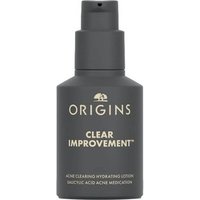
Origins Clear Improvement Acne Clearing Hydrating Lotion 50ml
DocMorris FR (ex DoctiPharma FR)
This hydrating lotion is perfect for keeping your skin clear and healthy, allowing you to focus on your writing without distractions.
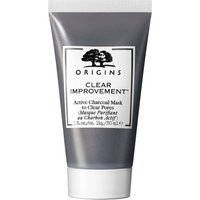
Origins Clear Improvement Active Charcoal Mask 30ml
DocMorris FR (ex DoctiPharma FR)
Using a good facial mask can enhance your writing experience by promoting relaxation and self-care while you reflect on your writing.