
Table of Contents (14 sections)
In the realm of writing, mastery is an ever-evolving pursuit. Writers constantly strive to improve their craft, and in doing so, they uncover various creative writing techniques that can enhance their storytelling abilities. This blog post provides essential tips that will not only elevate your writing skills but also engage your readers more effectively.
1. Understanding Creative Writing Techniques
So, what are creative writing techniques? These methods encompass the stylistic choices and narrative strategies writers employ to tell their stories effectively. Techniques can include character development, dialogue, imagery, and narrative voice, among others. They allow writers to add depth to their plots and significantly affect the emotional engagement of their readers. By mastering various techniques, you can transform basic narratives into compelling, rich experiences that resonate with audiences. For example, incorporating show, don't tell can enhance your descriptive passages, allowing readers to visualize scenes vividly. A simple scene description like, "The room was cold," can be transformed into, "As she stepped inside, a chill swept through the room, causing her to shiver and pull her sweater tighter against her body."
This engagement doesn't merely enhance the narrative; it invites readers into the experience, helping them forge a deeper connection to the story. According to studies conducted by Literary Review (2023), stories that utilize strong imagery are rated 30% more favorably by readers than those that don't, showcasing the power of this technique in creative writing.
2. Mastering Character Development
One of the most crucial aspects of creative writing techniques is character development. Great characters transcend their roles; they engage the readers’ emotions and thoughts. To create memorable characters, you should develop a detailed backstory, including their motivations, fears, and desires.
For instance, consider two characters: a hero and a villain. The hero, John, is driven by the loss of his family and seeks justice. The villain, Sarah, was once a victim of social injustices that shaped her into who she is now. These layers make both characters real and relatable. Ensuring that your characters possess flaws and strengths makes them human, further enhancing the reader's connection. By using techniques like character sketches or writing detailed biographies for each character, you can deepen your understanding of who they are and how they might react in various situations.
3. Crafting Dialogue that Dances
Dialogue is a powerful tool in creative writing. It must reflect the characters’ personalities and advance the storyline. Dialogue should feel natural; readers can easily tell when it sounds forced or unrealistic. Consider using techniques such as reading the dialogue aloud to assess fluidity and authenticity.
An effective dialogue incorporates subtext, allowing characters to express more than they say directly. For example, if Alice says, "I'm fine," but avoids eye contact and fidgets, readers gain insight into her true feelings. Statistics from Writer’s Digest (2025) suggest that well-crafted dialogue increases reader engagement by up to 45%, enhancing the emotional depth of your narrative.
4. Weaving in Vivid Imagery
Imagery is another essential technique that brings your writing to life. By carefully choosing words that evoke the senses, writers can immerse readers into the scenes. The use of sensory details—sight, sound, smell, taste, and touch—enables the audience to visualize and engage with the story's world.
When describing a sunset, instead of saying, "The sun set over the hill," you might say, "The sun dipped below the horizon, painting the sky in hues of orange and pink, as the cool evening breeze whispered through the trees." By utilizing vibrant imagery, not only do you paint a picture, but you also create an atmosphere that can shift the reader's emotional state. According to a study by The Reading Agency (2023), stories with rich imagery are 25% more likely to be recommended by readers to their peers, showcasing its impact on storytelling.
5. Setting and Worldbuilding
The setting is crucial in shaping the narrative. Crafting a realistic and engaging world requires attention to detail. Whether your setting is fantastical or grounded in reality, understanding its influences on the characters and story arc is essential. This can include cultural, historical, or environmental factors that influence how characters interact.
For example, if your story is set in a dystopian future, the implications of a controlled society on individual freedoms should influence character motivations and conflicts. Conducting research or utilizing maps and visual aids can help in creating a cohesive world that enhances your storytelling ability.
💡 Expert Tip: Try creating a world map that provides context for your characters’ adventures. This visual aid is a great way to maintain consistency in your world while letting creativity flow.
6. Employing the Power of Structure
Understanding story structure is a vital component of good writing. The three-act structure, for instance, is a prominent method that helps writers outline their stories effectively. Breaking your story into distinct sections enables you to create tension and manage pacing.
Act 1 introduces the characters and their conflicts, Act 2 delves into escalating situations and challenges, while Act 3 resolves the conflicts. Using this structure not only helps organize your narrative but also assists in keeping the readers engaged. A survey by National Novel Writing Month indicates that writers who plan their plots according to structural outlines are 40% more successful in completing their novels.
7. Emphasizing Theme and Message
Every story has a theme—a central idea or message the author wants to convey. Understanding the theme enriches the narrative and provides a deeper layer to the characters' arcs. Whether it’s love, forgiveness, betrayal, or resilience, identifying the underlying message can guide plot decisions and character development.
For example, in a narrative exploring betrayal, the theme can enhance a character's development when their actions inevitably lead to confrontation, providing climactic moments that resonate with readers. This emphasis not only strengthens your writing but also offers readers a takeaway, making your story memorable.
8. Revising and Editing Relentlessly
No piece of writing is complete without thorough revision and editing. This phase allows writers to refine their work and correct issues regarding clarity, continuity, and narrative flow. Multiple rounds of self-editing, accompanied by feedback from peers or writing groups, can dramatically improve the quality of your writing.
Dedicating time to hone your work ensures that it aligns with your vision while meeting reader expectations. Research shows that successful authors often go through at least five drafts before finalizing their manuscripts. Thus, setting aside time for this critical phase is just as crucial as writing the first draft.
📺 Resource Video
> 📺 For further insight: Check out this tutorial on creative writing techniques, which delves into various approaches and exercises that can transform your writing skills. Search on YouTube for: "mastering creative writing techniques 2026".
Glossary
| Terme | Définition |
|---|---|
| Imagery | Utilisation de descriptions vives pour évoquer des sensations dans l'esprit du lecteur. |
| Subtext | Ce qui est suggéré sous les mots, révélant des couches de signification. |
| Theme | L'idée centrale ou le message d'une œuvre littéraire. |
Checklist before Writing
- [ ] Define your story theme clearly.
- [ ] Develop thorough character backstories.
- [ ] Create engaging dialogue that reflects characters.
- [ ] Utilize vivid imagery to immerse readers.
- [ ] Organize your structure using well-known frameworks.
- [ ] Revise and solicit feedback multiple times.
Conclusion
Using these creative writing techniques, you can significantly elevate your storytelling and captivate your readers. Not only does proficiency in these methods lead to better storytelling, but it also enhances your personal growth as a writer. Every story has the potential to leave a lasting impact, providing you hone your craft diligently.
Recommended Products
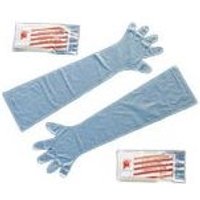
- Gants zootechniques El.Cm85 50Pcs: Excellent for keeping your writing workspace tidy.
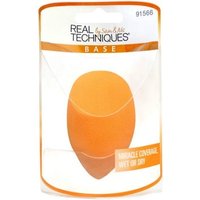
- Eponge d'application Real Techniques 1pc: Perfect for writers who enjoy visual storytelling.
- Kit de pinceaux Real Techniques Artist Essentials: Useful for creating your creative world with textures.
📺 Pour aller plus loin : mastering creative writing techniques 2026 sur YouTube
Recommended products
Selected by our experts
Gants zootechniques El.Cm85 50Pcs
DocMorris FR (ex DoctiPharma FR)
These gloves are ideal for keeping your writing space clean and organized.
Eponge d'application Real Techniques 1pc
DocMorris FR (ex DoctiPharma FR)
This application sponge is perfect for writers interested in visual storytelling.