
Table of Contents (13 sections)
Writing mastery doesn't come overnight; it requires dedication, practice, and the right techniques. Whether you're a novice or an experienced writer, applying essential writing mastery techniques can significantly enhance your craft. In this guide, we'll explore foundational strategies that can elevate your writing to new heights, making it more engaging and impactful.
H2: What is Writing Mastery?
Writing mastery is the ability to communicate ideas clearly, engagingly, and persuasively. It encompasses various skills, including grammar, vocabulary, style, and structure. According to research from UFC-Que Choisir, clear writing is critical for effective communication, influencing readability and engagement. Mastering writing means honing these skills to resonate with your target audience while maintaining authenticity. The importance of writing mastery cannot be overstated; in today’s fast-paced digital world, effective writing can differentiate you from competitors and establish your authority in a particular field. Whether you're crafting articles, blog posts, or even social media captions, adopting solid writing techniques can significantly impact your results, enhancing both your credibility and reach.
H2: Step-by-Step Writing Techniques
To achieve writing mastery, here are essential techniques presented in a structured, step-by-step manner:
Step 1: Understand Your Audience
Recognizing your target audience is crucial. Begin by defining who your readers are: What are their interests? What problems do they want to solve? Having a clear audience profile helps tailor your content to meet their needs and expectations. For example, if you're writing a technical article for professionals, the language, tone, and depth of content will differ significantly compared to a piece aimed at a general audience.
Step 2: Create an Outline
A well-structured outline serves as the backbone of your writing. Before diving into the first draft, outline key points and ideas you want to address. Organize them logically, grouping related concepts together. This process helps keep your writing focused and ensures a smooth flow of ideas. A strong outline can reduce the chances of writer's block and can help in maintaining coherence throughout your piece.
Step 3: Focus on Clarity and Conciseness
Clear and concise writing is essential for effective communication. Avoid unnecessary jargon or complex sentences. Instead, aim for simplicity. A study by 60 Millions de Consommateurs found that readers prefer direct, straightforward language. Always keep your sentences and paragraphs short. This not only improves readability but also holds the reader's attention better. An example of concise writing could be replacing “There are many instances in which” with “Many times.”
Step 4: Engage with Strong Openings
Your opening paragraph should capture the reader's attention immediately. Start with an interesting fact, a compelling question, or an evocative anecdote. This technique draws readers into your narrative and encourages them to continue reading. According to a survey by Les Numériques, articles with engaging openings see a 25% higher retention rate among readers. Consider this opening sentence, “Have you ever struggled with writer’s block, unable to pour your thoughts onto paper?”
Step 5: Revise and Edit
Writing is rewriting. After completing your first draft, take a break before revising. This helps you return to your work with fresh eyes. Look for grammar mistakes, awkward phrasing, and areas lacking clarity. Tools such as Grammarly or Hemingway can aid in ensuring your writing is polished. Additionally, consider seeking feedback from peers. An external perspective can shed light on areas for improvement you might have overlooked.
Step 6: Practice Regularly
Mastery occurs through repeated practice. Set a writing routine, whether it's daily or weekly, to hone your skills. Experiment with different styles, tones, and genres to discover what resonates best with you and your audience. Many successful writers emphasize the importance of consistent practice in developing their skills.
Comparison Table of Writing Techniques
| Technique | Description | Benefits | Recommended For |
|---|---|---|---|
| Audience Analysis | Understanding target readers | Improves relevance and engagement | All writers |
| Outlining | Planning content structure | Enhances organization | Long-form content creators |
| Clarity and Conciseness | Focus on clear, simple language | Increases readability | General audiences |
| Strong Openings | Crafting compelling introductions | Captures reader interest | Bloggers, article writers |
| Revising and Editing | Polishing drafts | Produces high-quality writing | All writers |
| Regular Practice | Consistent writing routine | Enhances skills over time | Aspiring and established writers |
H2: Common Writing Mistakes to Avoid
Even seasoned authors can fall prey to common writing mistakes. Here are a few pitfalls to be aware of:
- Neglecting proofreading - Always review your work for typos and grammatical errors.
- Overly complex language - Don’t assume using big words makes you sound smarter; clarity is more important.
- Ignoring feedback - Constructive criticism is essential for growth.
- Skipping outlines - Lack of structure can lead to disorganized writing.
- Being too vague - Be specific to add credibility to your arguments.
H2: Resources for Further Improvement
To enhance your writing mastery, consider investing in resources that can support your development. There are various tools and books available designed to refine your writing skills, such as writing guides or editing software. We’ve assembled a collection of products that can aid you in your journey towards mastery, which you can explore below.
📺 For Further Learning:
Explore videos like “Techniques for Effective Writing” on YouTube to enhance your skills further. Search for
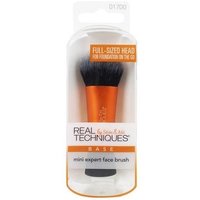

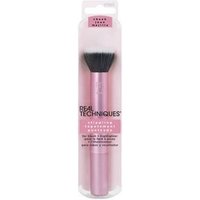
Eponge applicatrice Real Techniques avec couvercle 1pc
DocMorris FR (ex DoctiPharma FR)
Recommended products
Selected by our experts
Eponge applicatrice Real Techniques avec couvercle 1pc
DocMorris FR (ex DoctiPharma FR)