
Table of Contents (15 sections)
Writing is not just about putting words on paper; it's an art that requires skill, creativity, and practice. Whether you're an aspiring novelist, a business professional, or a blogger, understanding effective writing mastery techniques can significantly elevate your craft. In this article, we’ll explore ten proven techniques designed to enhance your writing skills and help you achieve your writing goals.
1. Read Widely and Often
Reading is fundamental to writing mastery. Exposure to different genres, styles, and voices can broaden your perspective and enhance your vocabulary. According to a study published in the Journal of Educational Psychology, regular reading not only improves comprehension but also enhances writing ability. Aim to read various authors, from classic literature to contemporary blogs, to gather insights into effective storytelling, character development, and argumentation techniques.
2. Embrace Free Writing
Free writing is a technique where you write continuously for a set period without worrying about grammar, punctuation, or topic coherence. This exercise helps get your creative juices flowing. As Julia Cameron suggests in The Artist's Way, "free writing lets you bypass your inner critic, unlocking creativity you didn’t know existed." Set aside 10-15 minutes daily to engage in this practice, which can lead to unexpected breakthroughs and ideas.

Gants zootechniques El.Cm85 50Pcs
DocMorris FR (ex DoctiPharma FR)
Sponsored by Awin Bruno
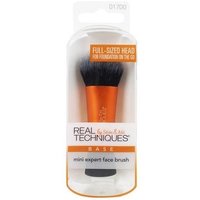
Mini pinceau à fond de teint Real Techniques 1pc
DocMorris FR (ex DoctiPharma FR)
Sponsored by Awin Bruno
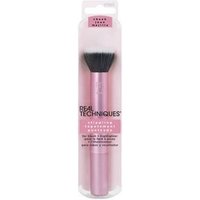
Pinceau à poudre Real Techniques 1pc
DocMorris FR (ex DoctiPharma FR)
Sponsored by Awin Bruno
3. Establish a Writing Routine
Creating a consistent writing routine can significantly improve your productivity and writing quality. Designate specific times each day dedicated solely to writing. Whether it’s an early morning session or late-night scribbles, find a rhythm that works for you. Consistency helps build discipline, making it easier to get into the writing flow. According to productivity experts, setting up a routine activates your brain’s workflow system, enabling better focus over time.
4. Write with Intent
Before you begin writing, clearly define your purpose. Are you aiming to inform, persuade, or entertain? A focused intention enhances clarity and direction. For example, if you’re writing an article, outline your key points before diving in. Research suggests that writers with defined goals tend to create more engaging content and resonate more effectively with their audience. Keep your writing goals tangible and achievable for continuous growth.
5. Edit Ruthlessly
Editing is where the magic happens. Good writing often comes from rewriting. After drafting your piece, take a break before returning for edits. Look for unnecessary phrases, repetitive ideas, and grammatical errors. Aim for simplicity and clarity, trimming excess without losing your voice. Studies indicate that writers who rigorously edit their work often produce more refined and reader-friendly content. Embrace constructive criticism from peers or utilize editing tools to hone your skills further.
6. Explore Different Writing Styles
Experimenting with different writing styles, such as poetry, narrative, or technical writing, can enhance your versatility. Each style has unique features that challenge you to think differently. For instance, writing poetry can help improve your ability to convey emotions succinctly, while technical writing can sharpen your clarity and precision. Engaging with different formats enriches your writing toolkit, allowing you to adapt to various audiences and purposes.
7. Join a Writing Group
Being part of a writing community can provide invaluable feedback and support. Writing groups foster accountability and motivation among members. Engaging with others exposes you to diverse perspectives and constructive critique. Whether online or in-person, look for groups that align with your interests. Research shows that writers who collaborate and share ideas tend to produce higher-quality pieces and experience greater growth in their skills.
8. Analyze Your Favorite Authors
Take the time to study the authors you admire. Dissect their writing styles, narrative techniques, and character development methods. What makes their work impactful? You can create a chart analyzing their techniques, such as pacing, dialogue, and point of view. This method not only enhances your analytical skills but also informs your own writing choices. Consider mimicking their styles in practice pieces to gain a deeper understanding of their techniques.
9. Utilize Writing Prompts
Writing prompts are excellent tools to spark creativity and overcome writer’s block. They encourage you to think outside the box and explore unfamiliar themes or styles. Consider integrating themed prompts that relate to your interests or current events. Engaging with prompts fosters flexibility in writing and can lead to creative breakthroughs. Studies have shown that regularly using prompts enhances creativity and confidence in spontaneous writing.
10. Set Goals and Reflect
Goal-setting is crucial for writers. Establish specific, measurable, achievable, relevant, and time-bound (SMART) goals. Reflect on your progress weekly or monthly to see how far you’ve come. Write down challenges faced and achievements noted. This self-reflection enables you to adjust your techniques and focuses on what truly fosters growth. According to research, writers who reflect on their work and set goals are more likely to sustain motivation and improve proficiency.
📺 Resources Video
> For further insights: Writing tips for mastery and creativity. Search on YouTube: "effective writing techniques 2026".
Glossary
| Term | Definition |
|---|---|
| Free Writing | A technique where writers express ideas without worry about correctness. |
| Writing Routine | A consistent schedule established to enhance writing practice and productivity. |
| Writing Prompt | A statement or question designed to inspire new writing by providing a starting scenario. |
Checklist before implementing techniques
- [ ] Read at least one new book weekly
- [ ] Set a dedicated writing schedule
- [ ] Complete one free writing session daily
- [ ] Seek feedback from peers or writing groups
- [ ] Analyze one author’s writing style monthly
- [ ] Set SMART goals for your writing projects
Conclusion
Mastering the art of writing may seem daunting, but implementing these techniques can propel your skills to new heights. Remember to read widely, write regularly, and reflect on your progress. As you experiment and practice, you’ll discover your unique voice and style that resonate with readers.
Discover our recommendations below for products that can further aid your writing journey!
📺 Pour aller plus loin : effective writing techniques 2026 sur YouTube
Recommended products
Selected by our experts
Gants zootechniques El.Cm85 50Pcs
DocMorris FR (ex DoctiPharma FR)
These gloves are essential for maintaining a clean workspace while you write, keeping your materials free from smudges.
Sponsored by Awin Bruno
Mini pinceau à fond de teint Real Techniques 1pc
DocMorris FR (ex DoctiPharma FR)
This mini foundation brush is perfect for writing and sketching out drafts with precision.
Sponsored by Awin Bruno
Pinceau à poudre Real Techniques 1pc
DocMorris FR (ex DoctiPharma FR)
The expert blending duo is a must-have for those wanting to highlight their best writing ideas effortlessly.
Sponsored by Awin Bruno